Why some of the best teas in China never leave the country
One of the most misleading ideas in modern tea culture is the assumption that the “best” tea is automatically available internationally.
People often imagine that if a tea is exceptional enough, it will naturally find its way onto global markets.
But after spending time around tea-producing regions in China, one begins to realise that this is not necessarily how tea moves through the world at all. In fact, some of the most extraordinary teas never leave the country. Not because they are forbidden or kept a secret, and certainly not because nobody wants to sell them.
Truly exceptional tea often exists in quantities too small to sustain international commercial systems. A genuinely outstanding harvest from a small producer may only amount to a few kilograms, sometimes even less. Once tea reaches that level of scarcity, it behaves differently from ordinary consumer products.
It begins to move through relationships rather than markets.
A farmer sets aside part of the harvest for family. Some goes to returning clients who have purchased for years, some is gifted, some disappears into private circles before harvest season has even fully ended.
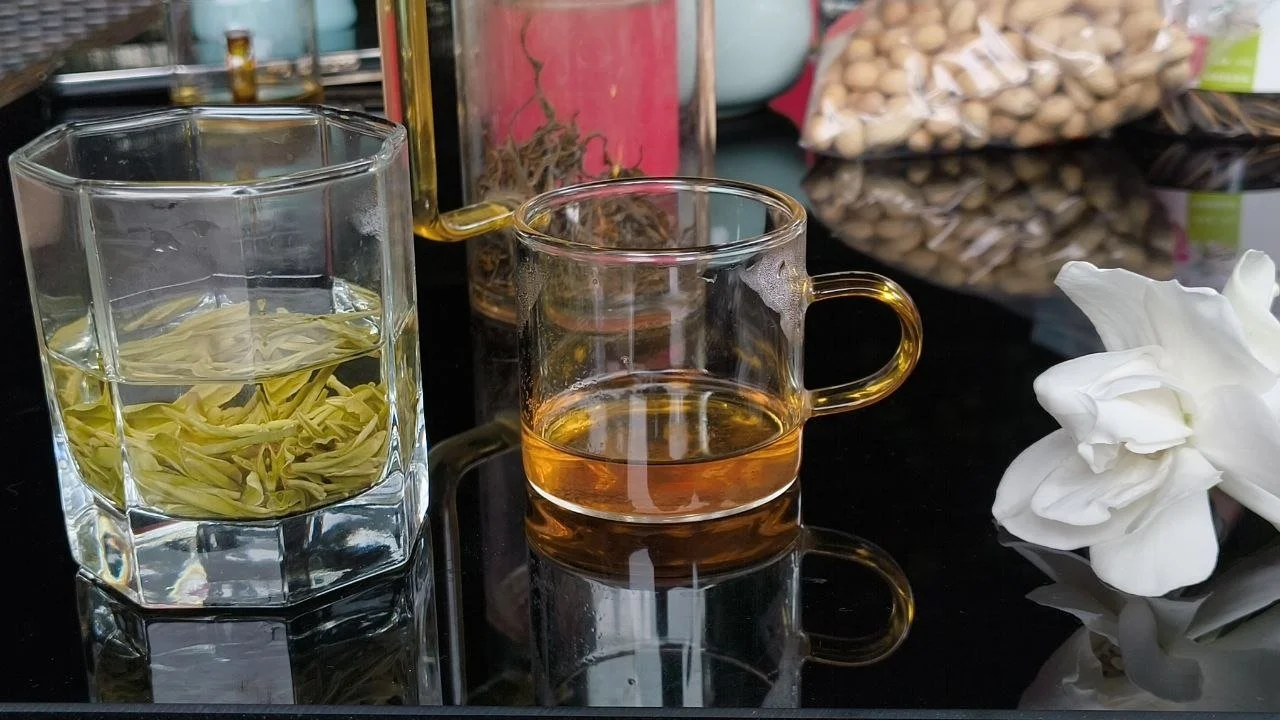
Us having tea with tea farmers in Hang Zhou.
By the time international buyers begin sourcing aggressively, much of the most interesting material has already quietly found homes elsewhere.
This becomes especially visible with green teas. Many people outside China are familiar with the name Long Jong, but the gap between ordinary Long Jing and truly exceptional Long Jing is enormous.
Two teas may both legally be sold under the same name while possessing completely different levels of craftsmanship, terroir expression, harvest timing, leaf tenderness, aroma persistence, texture, and aftertaste complexity. The average international consumer rarely encounters this difference because much of what gets exported is selected according to scalability rather than emotional quality.
In other words, this is simply economics. International export systems reward consistency, volume, stability, and logistical practicality.
But some teas are just almost anti-commercial by nature. The very characteristics that make them extraordinary also make them difficult to scale. A tea may peak for only a brief window. A harvest may vary significantly depending on weather. The tea may lose vitality quickly if not stored properly. The quantity may be too small to justify large export operations.
And so, these teas remain closer to origin.
There is also another quieter truth that many people do not openly discuss. Not all tea produced in China is intended for outsiders.
Some teas are made with domestic appreciation in mind, and domestic tea culture in China operates with a level of nuance that can be difficult to fully perceive from abroad. Within China, tea often functions less like a hobbyist luxury prodyct and more like a cultural language.
People understand subtle regional distinctions instinctively. Certain harvest timings carry emotional weight. Specific villages develop reputations over generations, and a tea may evoke childhood memory, family background, status, geography, or seasonality. Sometimes, what makes a tea valuable is not loud flavour intensity but refinement.
Restraint.
Softness.
Persistence.
Texture.
The kind of qualities that require slower drinking and repeated exposure to fully appreciate. This can feel surprisingly unfamiliar to modern international luxury culture, which often rewards immediacy and dramatic sensory impact.
Some of the finest teas we encountered while in China possessed none of the usual theatricality that many western-facing tea descriptions lean heavily towards. There is no explosive aroma, no intense florals, no extreme sweetness, no aggressive minerality.
Instead, these teas felt composed, quiet, and balanced in a way that initially almost seemed understated. Each cup reveals extraordinary depth that unfolds gradually. And this is something difficult to communicate online because modern internet culture trains consumers to seek immediate stimulation.
Many truly exceptional teas behave more like literature than entertainment.
They unfold slowly, allowing you to return to them repeatedly. You notice new things over time, and certain sensations only emerge after familiarity develops.
Perhaps this is part of the reason why some of the best teas never fully enter mass international circulation, not because people are intentionally gatekeeping it, but because these teas belong to ecosystems of patience, repetition, and relationship that do not always translate cleanly into modern global commerce.
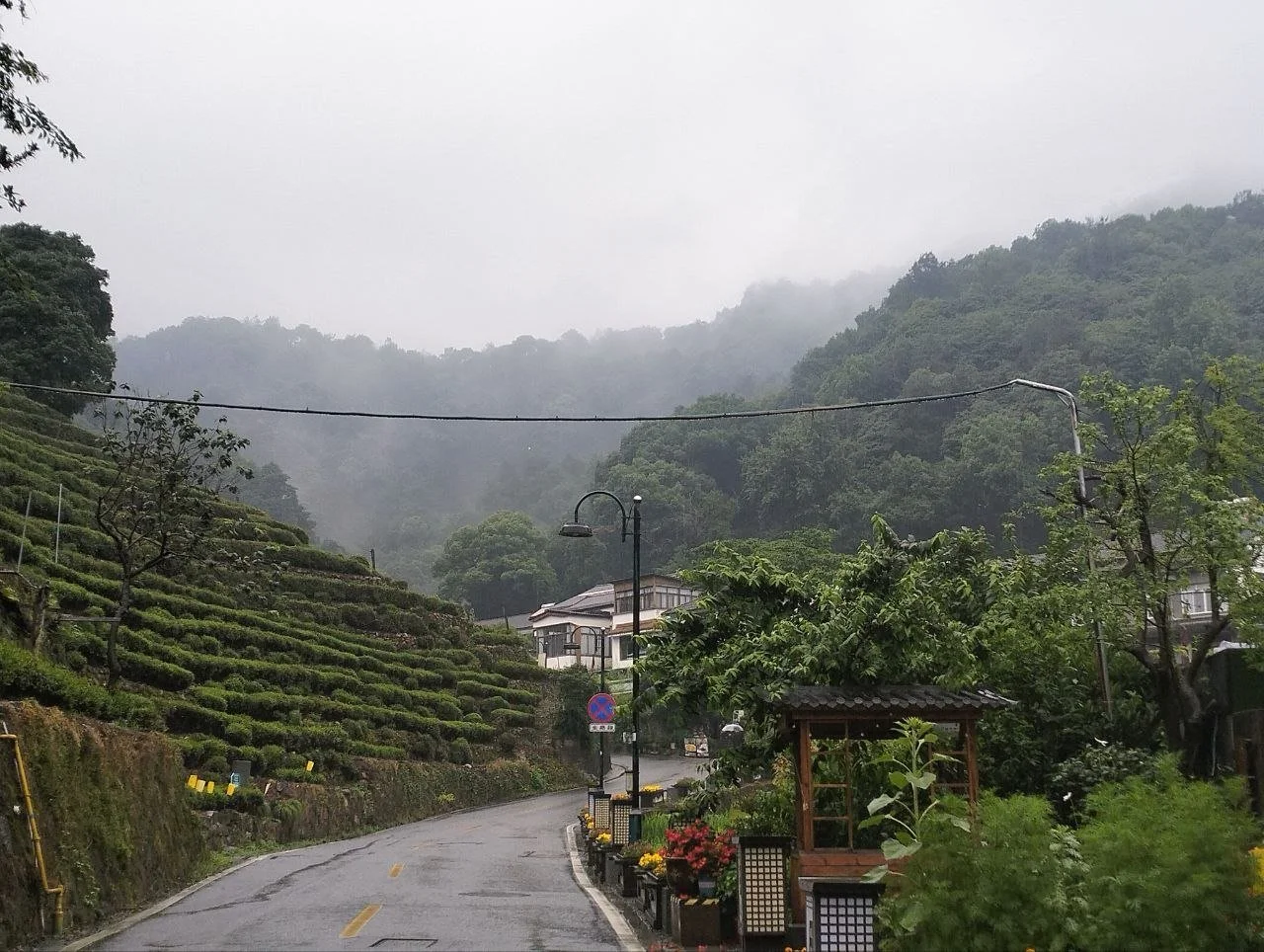
We took a walk with our tea farmer friend, Mr Wang, in Long Jing village. Mr Wang is 70 this year. He still personally tends to his tea plants, and he brings along his trusty Beagle companion, Coffee (what a name for a dog that grew up in a tea village!).
The irony is that many consumers today are willing to spend enormous amounts of money on luxury products while remaining disconnected from the actual rhythms that create rarity in the first place.
True rarity in tea is often not manufactured, it is agricultural. Tea remains partially uncontrollable. Nature still participates. Weather still matters. Human judgement still matters. Time still matters.
And somewhere within all these, there remains something deeply reassuring: the idea that not everything extraordinary has been fully optimised for global consumption yet.
Some things still exist quietly, closer to where they were born.