The trouble with tasting notes
Tasting notes are useful until they become distracting.
Most people who begin drinking better tea look for them instinctively. They want to know what they are supposed to taste. Chestnut, orchid, honey, stone fruit, osmanthus, cream, mineral, dried longan. The list goes on.
The language is beautiful, and at its best, it gives a drinker a way to enter the cup with more attention.
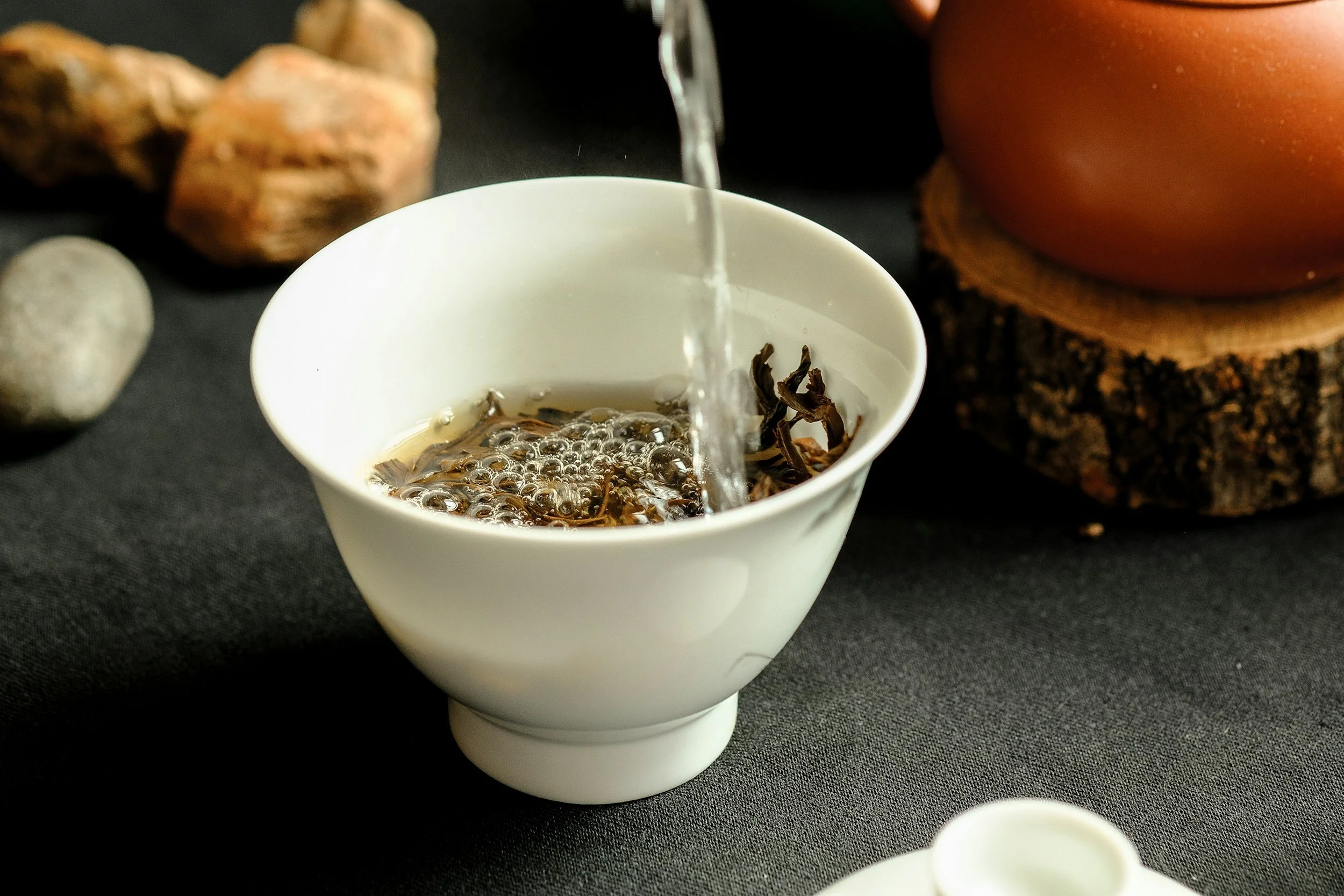
There is nothing wrong with this. A good tasting note can help someone notice what might otherwise pass too quickly. It offers a kind of vocabulary for pleasure. Without language, many people simply think tea is “nice”, “strong”, “light”, or “bitter”. With language, the experience becomes more precise. One begins to separate aroma from taste, texture from aftertaste, sweetness from sugar, fragrance from perfume. The cup becomes less vague.
But tasting notes can also become a problem when they turn into instructions.
A drinker sees “orchid” on a label and begins searching for orchid. Another sees “honey” and expects sweetness in the direct, obvious sense. Someone reads “mineral” and wonders whether the tea is meant to taste like stone. When the cup does not match the imagined flavour exactly, disappointment follows, even if the tea itself is excellent.
This is one of the strange difficulties of writing about tea. Tea rarely tastes like the things we compare it to. It suggests more than it imitates. A floral tea does not necessarily taste like flowers in the way a floral syrup or perfume might. The floral quality may appear first in the nose, not on the tongue. It may be present only in the steam rising from the cup, or in the aftertaste long after swallowing. A honeyed tea may not taste sweet in the way honey tastes sweet. It may simply leave a warm, rounded impression at the back of the throat. A tea described as having stone fruit notes may not taste clearly of peach or apricot, but it may still share their softness, ripeness, or gentle acidity without resembling fruit juice at all.
You get the idea.
This is why tasting notes should be read as invitations rather than promises.
They point towards a direction of experience rather than defining the tea completely. The same tea can taste different depending on water, brewing method, cup shape, temperature, mood, even the food you ate earlier. Tea is sensitive in ways that make rigid description slightly dishonest. A beautifully written tasting note may still only capture one angle of a tea at one moment.
There is also the question of who the tasting note is written for.
A producer may describe a tea one way because they know what is typical for the region. A customer may taste something else entirely because their sensory references are different. Someone who grew up eating dried plum, water chestnuts, or red dates, may reach for a very different vocabulary from someone whose references come from berries, pastries, citrus, or wine.
However, this does not make one description more correct than the other. It simply reminds us that taste is never entirely neutral.
Humans taste through memory. A person can only recognise what they have some relationship with. If a tasting note mentions osmanthus but the drinker has never smelled osmanthus flowers, this note may mean very little. This is part of what makes tea so interesting to write about, but also what makes tea writing easy to overdo.
A better way to read tasting notes is to hold them lightly. Notice them, but do not obey them. Let them sharpen attention without taking over the experience. If a tea is described as floral, try noticing where the floral quality appears. Is it in the dry leaf, the steam, the liquor, or the finish? If a tea is described as sweet, ask what kind of sweetness it has. Is it sugar-like, honeyed, milky, grain-like, or something closer to the sweetness of cooked vegetables?
The more you drink, the more useful these distinctions become.
In the beginning, most people focus on flavour because flavour is easy to talk about. Later, texture often becomes just as important. A tea may be thin, round, or even oily. These qualities affect the way a cup of tea feels just as much as aroma does, but they are less obvious to newer drinkers because we are not used to describing liquid in this way.
Aftertaste is another overlooked part of tea. A tea may taste pleasant while drinking but vanish immediately after swallowing. Another tea may seem quiet at first, then continue to return in the mouth after several minutes. This is also why tea cannot be fully understood from a quick sip.
This is where better tea begins to separate itself from merely flavoured tea, not as a matter of superiority but as a different kind of attention. The best tasting notes leave room for you to encounter the tea personally without being overwhelming. It tells the truth of the tea without decorating it.
This is especially important for people who are beginning to spend more on tea. Price can make tasting more anxious. When a tea costs more, we naturally want to understand why. We may search harder for complexity, hoping the cup will justify itself immediately. But some teas do not reveal value through obvious intensity.
And perhaps, the most useful tasting note is not the one printed on the packet, but the one you make after drinking. The real pleasure lies in returning to the cup, noticing what has changed, and gradually building a private vocabulary from your very own experience.