Oxidation, the single biggest difference between tea types
If you learn only one thing about how tea is made, make it this:
Oxidation is what separates green tea from black tea and oolong tea.
Everything else, from the shape of the leaf, the region the tea plant is grown, the way the tea is brewed, all matter. But oxidation is the big one. It is the single most important decision a tea maker makes.
This article explains what oxidation actually is, how it transforms a green leaf into a dark, aromatic one, and why different levels of oxidation create completely different teas.
What is oxidation, exactly?
Let’s start with something familiar.
An apple that has been cut into slices turns brown after being left for a while. That’s oxidation.
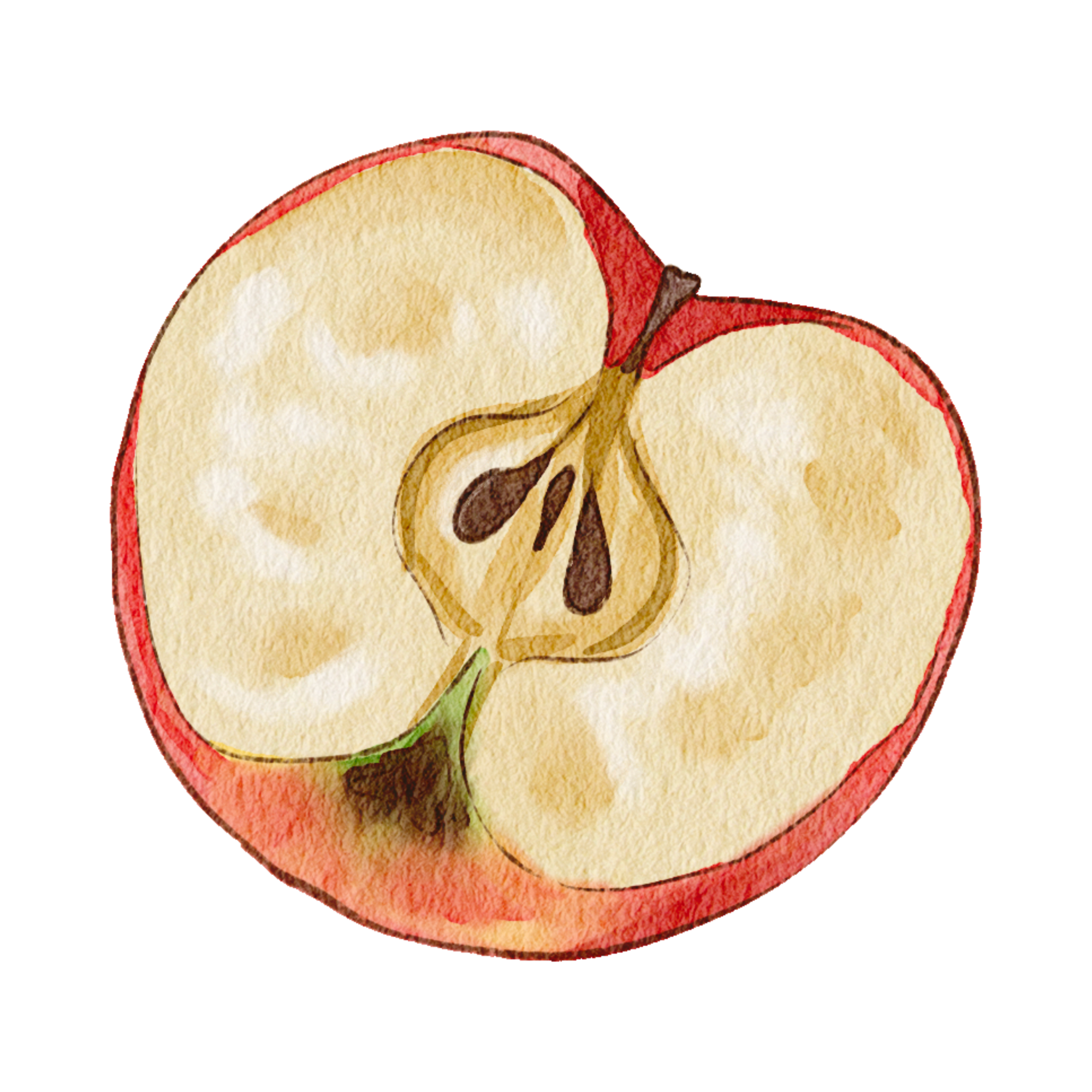
Oxidation is a chemical reaction. When certain cells are damaged or exposed to air, natural enzymes inside the plant react with oxygen, causing the plant tissue to darken. New flavours develop as a result.
In tea, oxidation works exactly the same way, except that tea makers control it on purpose.
What happens inside the leaf during oxidation
Inside a fresh tea leaf, there are two important things,
the enzyme polyphenol oxidase
flavour compounds i.e. polyphenols, including catechins
In a living leaf, these are kept separate in different compartments. The leaf is green, and it tastes very bitter and grassy if you chew it raw.
When the leaf is rolled or bruised, the cell walls break. Polyphenol oxidase and polyphenols mix, while oxygen from the air rushes in.
The enzymes start transforming the polyphenols into new, darker, and more aromatic forms. The leaf changes colour from green to copper to brown.
The best part? Bitter, simple flavours develop into a whole range of exciting and complex flavours.
Tea makers control oxidation
Oxidation is a tool to create teas with different flavours, and each tea maker has his or her own unique flavour and style of tea. The method he or she uses has been tried and tested over generations to achieve the most optimal level of oxidation that brings out the characteristics of a tea plant grown in that certain terroir.
Once oxidation has reached the desired level, the tea maker must stop it immediately. Otherwise, the leaf will keep browning until it over-oxidises.
The stop button? Heat.
We have covered a bit on using heat to stop oxidation in this article on how tea is made.
Oxidation levels by tea type
Here is an overview of oxidation levels and the corresponding tea types:
0% oxidation: green tea (grassy, vegetal, nutty)
5 to 15% oxidation: white tea (delicate, sweet, hay-like)
8% to 85% oxidation: oolong tea (wide range of taste notes like floral, fruity, creamy, roasted)
100% oxidation: black tea (bold, malty, fruity, winey)
post fermented: dark tea like puerh (earthy, smooth, aged)
White tea: 5% to 15% oxidation
White tea is minimally oxidised. Tea leaves are allowed to gently wither for 48 to 72 hours. The leaves are not rolled so they are not bruised, but the leaves still turn brown slightly. The resulting tea is sweet and delicate.
Green tea: 0% oxidation
Green tea is fixed immediately after withering (or sometimes even without withering). The heat kills the enzymes before any significant oxidation can happen. The leaf stays green, and the tea tastes grassy and vegetal.
Yellow tea: 5% to 15% oxidation
Yellow tea starts like green tea, but the damp leaves are wrapped and put through an extra yellowing step. A slow, controlled oxidation happens inside the wrap, causing the leaves to turn yellow. The grassy flavours mellow out in this process. Making yellow tea is labour intensive, making yellow teas quite rare on the market.
Oolong tea: 8 to 85% oxidation
Oolong has the widest range of oxidation levels. The tea maker bruises the leaves’ edges through tossing, then he or she lets the leaves rest. The bruised edges oxidise faster than the center. A light oolong is about 10 to 25% oxidised and tastes floral, creamy, and fresh. A medium oolong is 30 to 50% oxidised and tastes fruity, floral, and sometimes honey-like. A heavy oolong is 60 to 85% oxidised, and often tastes roasted.
Black tea: 100% oxidation
Black teas are rolled aggressively to break cell walls, then spread out 2 to 4 hours with no heat applied. The oxidation is left to run to completion before being dried. The resulting tea is bold, malty, and strong.
Dark tea / puerh: some oxidation plus fermentation
The main transformation for dark teas is by microbial fermentation. Bacteria and fungi break down the leaves over months and years. Some oxidation still takes place, but fermentation is what makes the tea a dark tea. The resulting tea is earthy, smooth, and musty in a good way, and it can be further aged.
Oxidation, caffeine, and antioxidants
Caffeine
Many people assume that black tea has more caffeine because it is “stronger”, but that assumption is not quite right.
Caffeine is not created or destroyed by oxidation. Caffeine is a stable molecule and the amount of caffeine in a tea depends on a few factors:
tea variety (Assamica has more than Sinensis)
leaf age (young buds have more than old leaves)
brewing temperature and time (hotter water and longer steeps extract more caffeine)
leaf to water ratio (more leaves mean more caffeine)
A green tea made from young Assam buds can have more caffeine than a black tea made from old China-variety leaves. Oxidation level is not a reliable predictor of caffeine.
(we will be covering caffeine in greater details in a future article)
Antioxidants
Antioxidants on the other hand do change with oxidation. For instance, green tea is high in catechins, especially EGCG. In black tea, catechins are converted into theaflavins and thearubigins. Oolong tea has a mix of all of these antioxidants.
Neither tea is “healthier”, they all just hav e different compounds.
Oxidation is a choice, not a hierarchy
Some tea drinkers assume that green tea is “purer” or black tea is “lower quality”. That is simply not true, they are just different.
None is better than another. The best tea is the one that you enjoy drinking.