The definition of true tea
We have all surely tried tea in one form or another. But what really counts as true tea? How do we know?
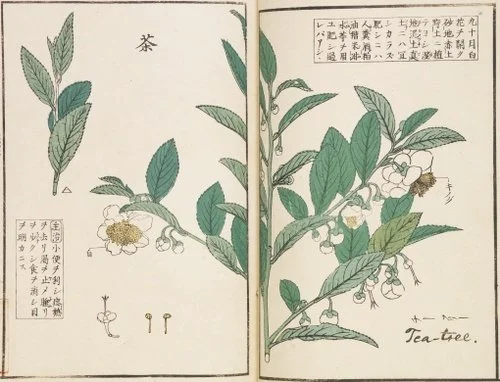
Behold… the Camellia sinensis plant.
All true teas are made from the leaves coming from the Camellia sinensis plant, regardless of where it is grown.
Wait a minute… is the chamomile tea I’m drinking considered tea?
The chamomile tea you are drinking is not considered as true tea, same with all the other flowers or herbs. The more accurate term for these teas is tisane.
You may then ask, why the distinction? If my chamomile tea is not tea, then why do people still call it… chamomile tea?
This is partly out of convenience. True teas has always been prepared by adding hot water, and the same goes for tisanes. Over time, people simply just referred to all of them as tea. “Tea” is just the name that we are more familiar with.
This distinction in terminology is only important when you are on the look out for good quality true teas. The tea sellers marketing their tisanes as tea have a very different market from the tea sellers specialising in true teas.
If all true teas come from the same plant, then why are there still so many different types of tea?
The simple answer? Terroir. Terroir refers to the natural environment in which the Camellia sinensis tea plant is grown.
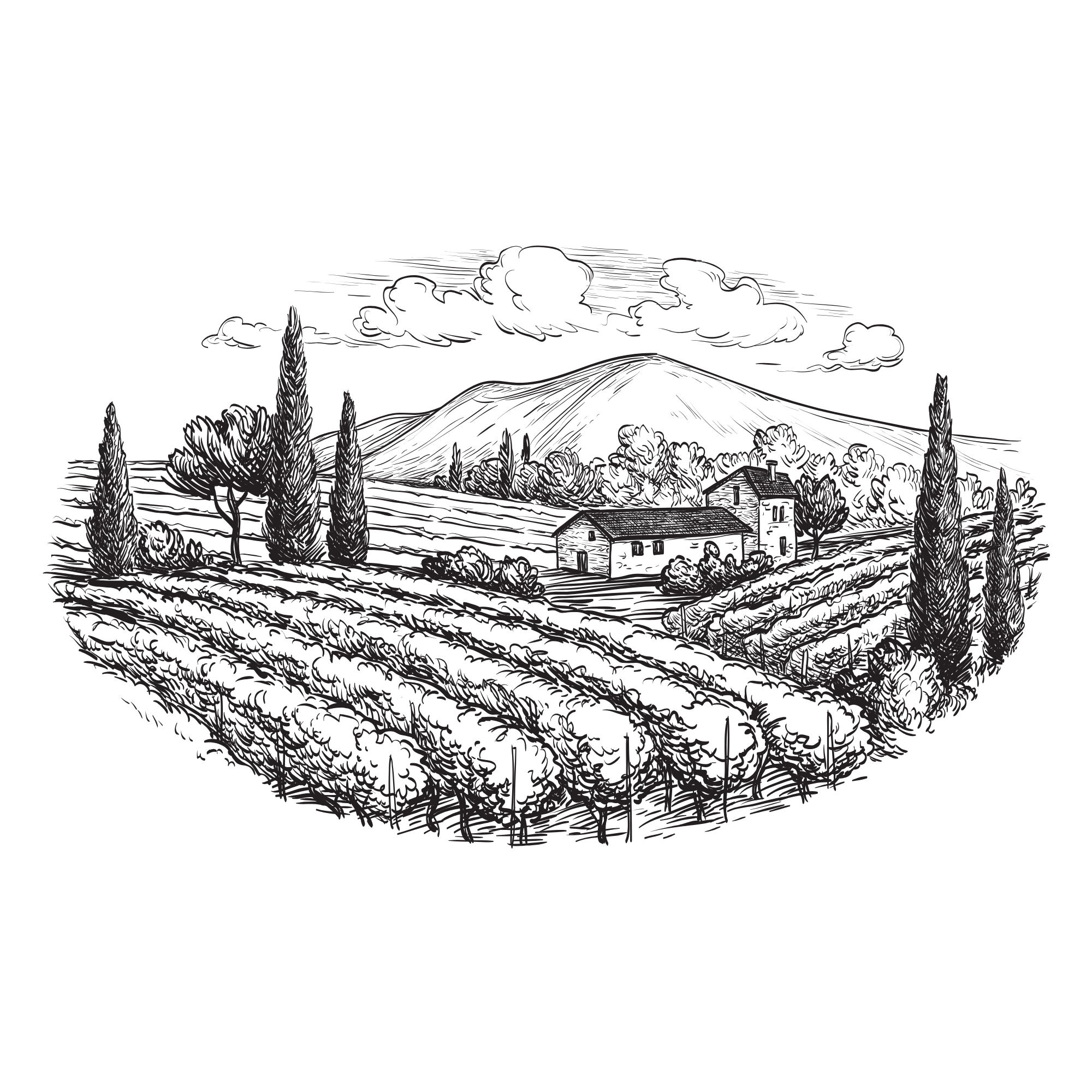
A tea’s terroir has various significant factors that affect the resulting tea quality. Here are a few factors concerning terroir:
Soil
The soil where the tea plant grows in is probably one of the most important contributing factors. The ideal soy should be:
slightly acidic, so as to help the plant absorb nutrients better,
rich in minerals like nitrogen, potassium, and magnesium,
a rich layer of humus,
not too loose, so that the roots can grow deep,
sufficient permeability to allow water to seep through, but still be able to retain water.
Climate
Tea plants do not survive well in cold weather and during winter. Therefore, the most ideal climate:
is one that is tropical or subtropical,
has sufficient rain (at least 1,500mm per year),
has a short dry season,
has an average temperature of 20°C,
has a good amount of sunshine daily,
has relative humidity of 70 to 90%.
Varieties, Subvarieties, and Cultivars
Apart from terroir, the Camellia sinensis plant also comes in major varieties and subvarieties or cultivars that too contributes to a tea’s flavour.
The three major varieties:
Camellia sinensis var. sinensis (small-leaf China bush)
“Sinensis” is means “from China”. The sinensis variation is considered to be the oldest variety to be used for producing tea.
Tea tree has potential to grow up to heights of 6 metres tall.
Quite resistant to cold and drought, so it is able to grow even under harsher conditions, for example, at high altitudes.
Long lifespan, can survive even over a hundred years!
Camellia sinensis var. assamica (large-leaf Assam bush)
Named “assamica” as it was first discovered in Assam, India.
Mostly found in India, Sri Lanka, and Africa.
Thrives in tropical climates and usually grown on larger pieces of flat lands with lots of rain.
In the wild, it can grow up to 30 metres tall and live for hundreds of years.
In plantations however, it only produces tea for about 5 decades.
Generally produces tea that is dark and full bodied.
Camellia sinensis var. cambodiensis (medium-leaf Java bush)
Not usually used for producing tea as it produces tea that are less flavourful and less aromatic.
Shorter in height and only grows up to about 20 to 30 cm.
“Subvarieties” and “cultivars” are sometimes used loosely to replace one another, but if we are going technical, subvarieties refer to the varieties naturally branching out into subvarieties (go evolution!), while cultivars refer to tea cuttings specially selected by humans to be further propagated. Generally, tea farmers select tea cultivars in order to standardise the quality and output of their tea leaves. In some other cases, tea farmers also crossbreed tea plants to select for traits that they deem desirable for the tea that they produce.
Having the right Camellia sinensis variety grown in a suitable terroir is also important. Take for example the tea trees and tea bushes in Yunnan, China. Many of these plants have been growing for centuries, and they produce teas characteristic of that region. However, if you taste a tea produced from a different cultivar grown ways down the same mountain, the resulting tea can taste and aroma can be quite different.
Other factors that affect a tea’s flavour have more to do with human intervention, like how a tea is cultivated in the farm, when the leaves are harvested, and how harvested teas are processed.
And with that, we now have over 3000 types of teas around the world, and each cup of tea has its own story waiting to be discovered.